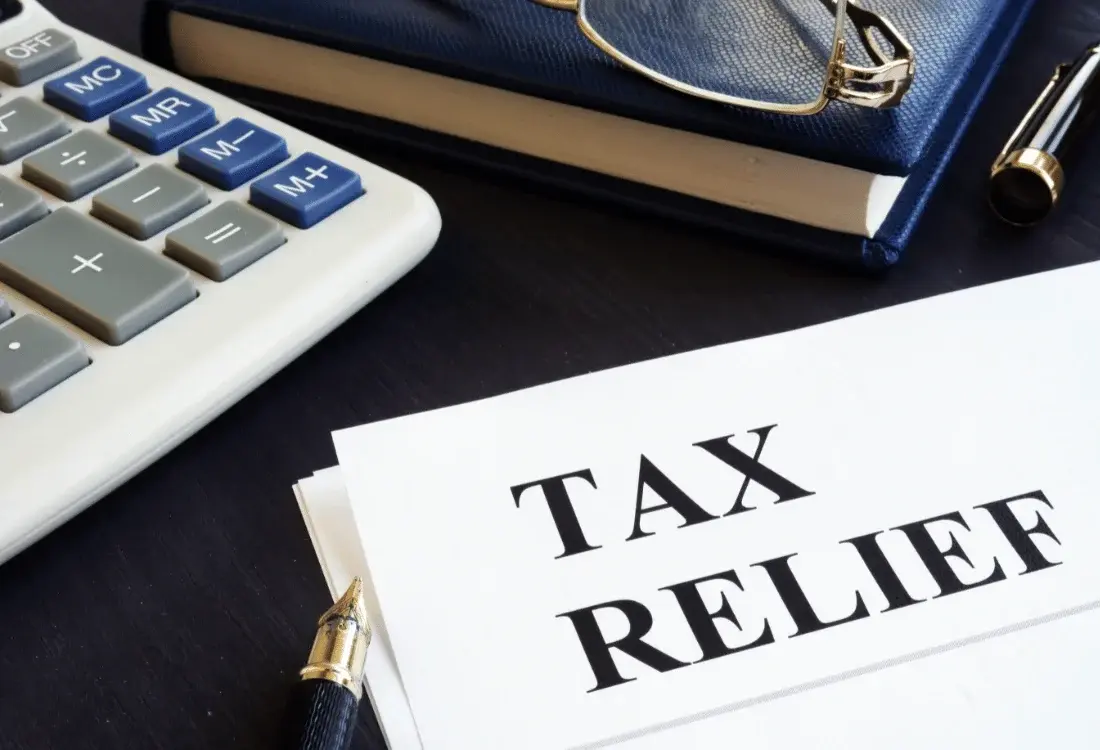
Running a business is demanding. Between managing your daily operations and driving sales, maintaining rigorous financial records often feels like a secondary priority.

However, overlooking valid business expenses is a common mistake that costs small business owners thousands of pounds in unnecessary corporation tax. To retain more of your hard-earned revenue and protect your company cash flow, you need to understand exactly which tax-deductible expenses limited company directors can legally claim.
The Value Of Allowable Expenses
Every time your company incurs a legitimate business cost, that expense is deducted from your total income before your corporation tax liability is calculated. Therefore, claiming every allowable expense reduces your taxable profit, directly lowering your corporate tax bill.
The golden rule set by HMRC is that the expense must be incurred wholly and exclusively for the purposes of your trade. Personal costs are strictly off-limits. If a cost has a dual purpose, such as a mobile phone contract used for both client calls and personal use, you may only claim the business proportion.
Calculating this split correctly may be painstaking, but it's crucial for maintaining compliance.
Common Operating And Office Expenses
Day-to-day running costs make up the bulk of most expense claims. Standard items like stationery and printer ink are clearly deductible.
However, many directors miss the opportunity to claim for essential digital services. Business-related software subscriptions, cloud storage fees, web hosting, and digital marketing campaigns are also fully allowable.
Running Your Office Space
If your company rents commercial premises, the rent, utility bills, and business rates are fully deductible.
But what if you run your operations from home?
You can legally claim a portion of your household utility bills. The easiest method is claiming the simplified HMRC flat rate. Alternatively, if you use a dedicated room exclusively for your business, you can calculate the exact proportion of your heating, lighting, and broadband costs based on the floor space and the hours used for work.
Staff And Employment Costs
Your team is your most significant investment, and the associated costs provide substantial tax relief. You can claim the gross salaries paid to your employees, alongside the mandatory employer's National Insurance contributions.
Crucially, employer pension contributions are an incredibly tax-efficient way to extract profits for yourself. When your company pays directly into your personal pension pot, it acts as an allowable business expense.
This bypasses personal dividend taxes while simultaneously lowering your corporate tax bill. Furthermore, you can claim for staff training courses and professional subscriptions, provided the training directly relates to their current role.
Business Travel And Subsistence
What do and do not constitute eligible travel expenses are a frequent source of confusion.
You may claim for train tickets, flights, taxi fares, and parking fees incurred while travelling to a temporary workplace, such as a client's office. However, you cannot claim for your regular daily commute to a permanent office.
If you use your personal vehicle for business journeys, you may claim the HMRC approved mileage allowance, which covers the cost of fuel and servicing. If you're required to stay overnight on a business trip, your hotel accommodation costs are fully deductible.
You can also claim reasonable subsistence costs for your evening meals and breakfast while you're away.
Utilising Capital Allowances
While everyday running costs are claimed immediately as revenue expenses, larger investments like laptops, office furniture, and commercial vehicles are treated differently. These are classed as capital assets. To claim tax relief on these purchases, you must use the capital allowances system.
The annual investment allowance allows you to deduct the full cost of qualifying plant and machinery from your profits in the year of purchase. If you're upgrading your technology infrastructure or buying new servers, ensuring these purchases are logged correctly under your capital allowances is vital for protecting your working capital.
Strictly Non-Deductible Expenses
Understanding what you can't claim is just as important. Client entertainment, for instance, is a strict exclusion. Taking a prospective client out for lunch or buying tickets to a sporting event might secure a contract, but HMRC won't allow you to deduct the cost from your taxable profits.
Similarly, you can't claim for everyday clothing, even if you only wear a specific suit for important meetings. Unless the clothing is a protective uniform or features a prominent company logo, it is classed as a personal expense.
Finally, legal fines (e.g. parking tickets) are never deductible.
Maximise Your Tax Efficiency
Keeping accurate records of your receipts is the only way to prove your claims if HMRC launches an enquiry. By tracking your spending diligently and working with a professional who understands the complex nuances of Tax Advice in the UK, you can ensure you never pay a penny more in tax than the law requires.
Are you confident you're claiming every legitimate expense available to your business?
Don't leave your hard-earned money on the table.
Contact us today to claim your Free Financial Health Check. We'll review your current setup and connect you with specialist accountants who can optimise your tax strategy.

Image Source: Envato

How the New Tax Rate On Dividends Affects Corporate Profit Extraction
Corporation Tax vs Capital Gains Tax: How Do They Impact Profits?